
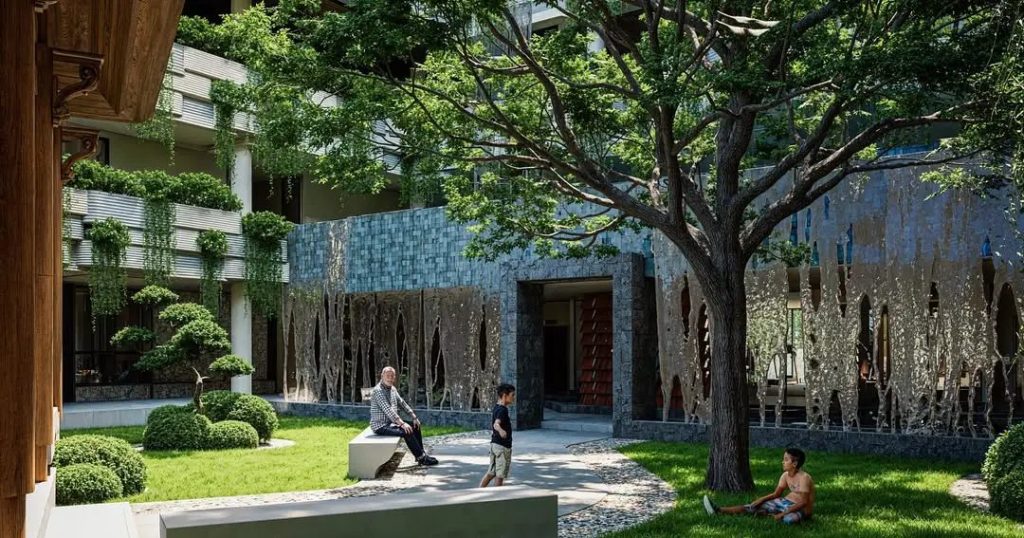
Modern buildings do much more than provide places to live, work, or visit. They also affect the environment through the energy they use, the water they consume, and the materials needed to build and maintain them. Because of this, sustainable building design has become an important part of construction projects around the world. It focuses on creating buildings that use fewer resources, reduce waste, and provide healthier spaces for people while protecting the environment.
Sustainable building design plans with the future in mind. Every stage, from choosing the building site to selecting materials and managing daily operations, plays a role in reducing environmental impact. These buildings also help lower operating costs, improve indoor comfort, and support long-term resource conservation.
Organizations like the U.S. Green Building Council (USGBC) encourage environmentally responsible construction through programs such as the Leadership in Energy and Environmental Design (LEED) certification. Buildings that meet LEED standards often use less water, consume less energy, and create healthier indoor spaces than traditional buildings.
Understanding Sustainable Building Design
What Is Sustainable Building Design?
Sustainable building design is the process of planning, designing, constructing, and operating buildings in ways that reduce harm to the environment. The goal is to make buildings more efficient while creating safe, comfortable, and healthy spaces for the people who use them.
Instead of focusing only on appearance or cost, sustainable design considers how every part of a building affects energy use, water consumption, waste production, and the surrounding environment. It also encourages builders to think about the building’s entire life, from construction to maintenance and future improvements.
Why Energy Efficiency Matters
Buildings use a large amount of electricity and fuel every day. Heating, cooling, lighting, ventilation, and water systems all require energy to operate. Commercial buildings, in particular, consume significant amounts of energy throughout the year.
Many buildings also waste energy because of outdated equipment, poor insulation, or inefficient lighting systems. Reducing this waste helps lower utility bills while reducing greenhouse gas emissions.
Simple improvements that increase energy efficiency include:
- Installing LED lighting
- Using energy-efficient heating and cooling systems
- Improving insulation
- Adding smart lighting and temperature controls
- Making better use of natural daylight
These improvements reduce operating costs while helping protect natural resources.
What Makes a Building Green?
A green building is designed to reduce its impact on the environment while improving the health and comfort of its occupants. Green buildings use fewer natural resources and produce less pollution during construction and daily operation.
Several important features make a building environmentally friendly:
- Energy-efficient systems
- Water-saving fixtures
- Sustainable building materials
- Better indoor air quality
- Waste reduction practices
- Renewable energy when possible
- Smart planning that supports responsible land development
Together, these features help create buildings that perform better for both people and the environment.
Six Principles of Sustainable Building Design
1. Choose the Right Building Site
A successful project begins with selecting the best location. Site planning affects transportation, drainage, sunlight, local wildlife, and nearby communities.
Good site selection helps reduce damage to natural habitats while making the building more energy efficient. Proper landscaping, preserving existing trees, and managing stormwater also support environmental protection.
When possible, builders should design landscapes that support local plants and reduce soil erosion while improving outdoor spaces.
2. Protect and Conserve Water
Fresh water is one of the world’s most valuable resources. Sustainable buildings include features that reduce water use without affecting performance.
Water-saving strategies include:
- Low-flow faucets
- Efficient toilets
- Water-saving showerheads
- Leak detection systems
- Rainwater collection for landscaping
- Water-efficient irrigation systems
These solutions help reduce water bills while protecting local water supplies.
3. Improve Energy Performance
Reducing energy use is one of the main goals of sustainable building design. Buildings that consume less electricity and fuel produce fewer emissions and cost less to operate.
Architects and engineers improve energy performance by using:
- High-performance windows
- Better insulation
- Efficient HVAC systems
- Smart building controls
- Solar panels and other renewable energy sources
- Natural lighting whenever possible
These features help buildings stay comfortable throughout the year while using less energy.
4. Use Building Materials Wisely
Choosing the right materials makes a significant difference in the environmental impact of a building.
Sustainable construction encourages the use of:
- Recycled materials
- Renewable materials
- Durable products with long lifespans
- Materials produced with lower environmental impact
- Products that can be reused or recycled at the end of their life
Using quality materials also reduces future repair and replacement costs.
5. Improve Indoor Environmental Quality
People spend much of their time indoors, making indoor environmental quality an important part of sustainable construction.
Healthy buildings provide:
- Good ventilation
- Clean indoor air
- Plenty of natural daylight
- Comfortable temperatures
- Reduced noise levels
- Low-emission paints, flooring, and other materials
Better indoor environments can improve comfort, support productivity, and promote overall well-being.
6. Plan for Easy Operation and Maintenance
Sustainability continues after construction is complete. Buildings should be easy to operate and maintain while using fewer resources throughout their lifetime.
Good maintenance planning includes:
- Easy-to-service equipment
- Durable building systems
- Energy monitoring systems
- Water management programs
- Environmentally friendly cleaning products
- Preventive maintenance schedules
Efficient operations help extend the life of building systems while reducing maintenance costs and improving occupant comfort.
The Long-Term Benefits of Sustainable Buildings
Sustainable buildings provide advantages that go beyond protecting the environment. Owners, businesses, and occupants all benefit from lower operating costs and healthier indoor spaces.
Some of the most common benefits include:
- Lower energy bills
- Reduced water consumption
- Less construction waste
- Improved indoor comfort
- Better air quality
- Lower maintenance costs
- Increased building value
- Longer-lasting building systems
These savings continue throughout the life of the building, making sustainable construction a smart long-term investment.
Building a Better Future
As cities continue to grow, the demand for environmentally responsible buildings will also increase. Sustainable building design helps meet this demand by reducing energy use, conserving water, improving indoor environments, and making better use of natural resources.
Whether designing a new office, school, hospital, or residential building, following sustainable principles creates lasting value for building owners, occupants, and communities. Every decision—from selecting the building site to choosing efficient plumbing fixtures and durable materials—contributes to a healthier environment and a more sustainable future for everyone.

Agatha
View More PostsAgatha Correia Pinto, a social media strategist, shares actionable tips and strategies for successful social media marketing.

